Afghanistan - Current
We work to improve maternal and child health through initiatives at the community level. We provide refugees with classes and workshops in the UK.

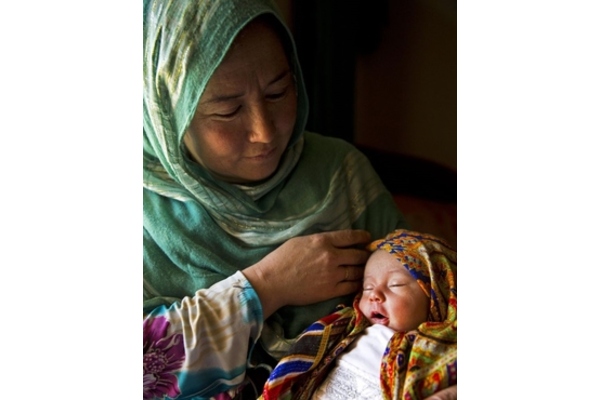
Helped more than 1,100 expectant and new mothers
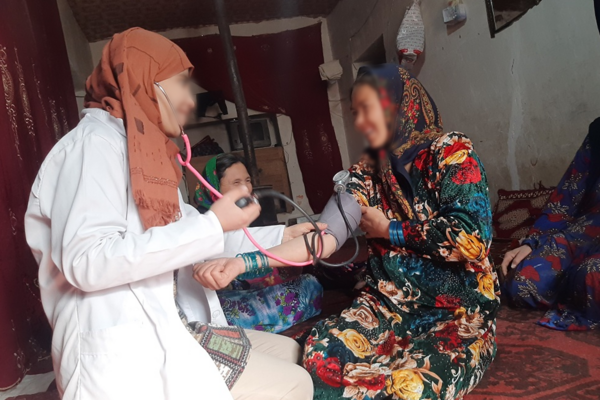
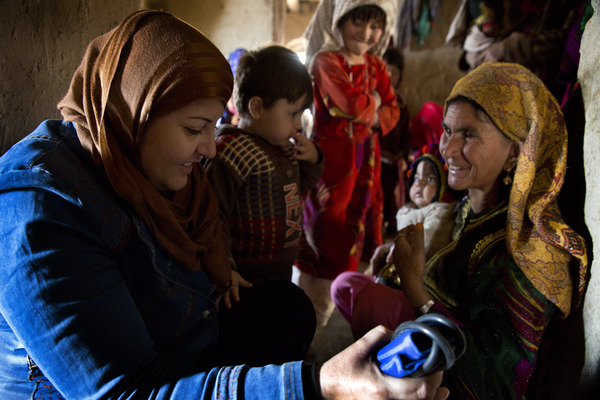
Distributed over 1,000 clean birth kits, supported 24 Community Health Workers and maintained 24/7 emergency transportation services
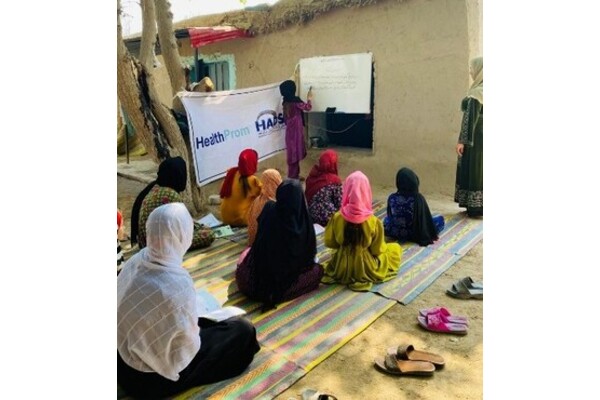
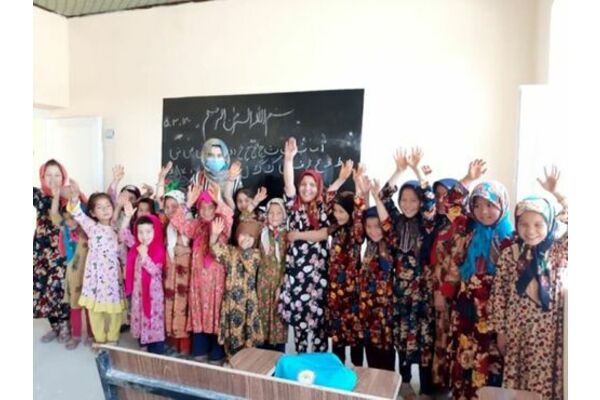
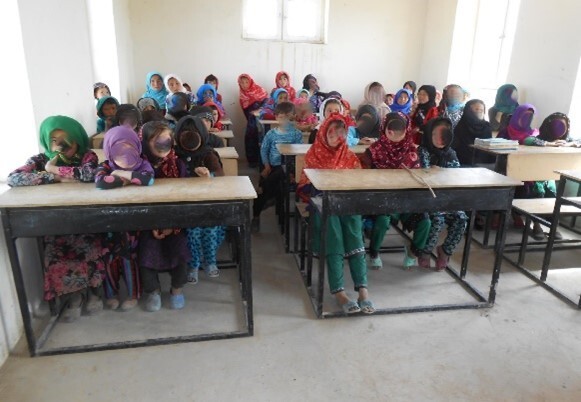
Enabled 138 Afghan girls aged 7-12 to attend primary school in Kaldar district
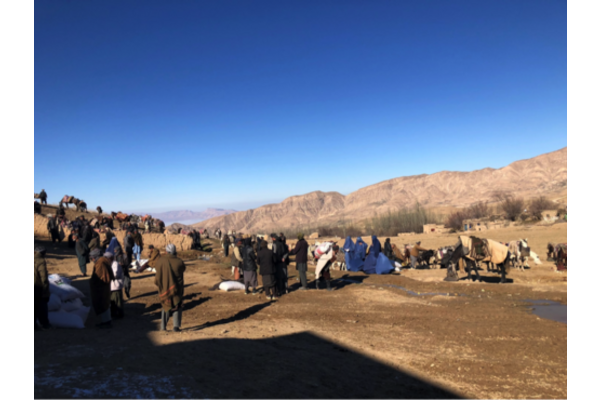
In Afghanistan, maternal and infant mortality rates, malnutrition, poverty, and childhood disabilities remain alarmingly high. Rural communities are particularly vulnerable, with limited access to healthcare, education, and employment opportunities, especially for women. Many families rely heavily on the support of NGOs or their neighbours to meet even their most basic needs.
Our programme, operating across 24 villages in Northern Afghanistan and reaching approximately 22,500 people, provides both direct and systemic support to address the root causes of poverty and poor health. Our goal is to empower communities to improve the wellbeing of infants aged 0–5 and their parents or caregivers.
Our Approach
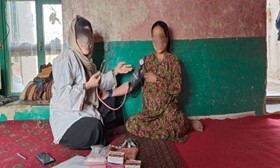
Community-Based Healthcare: Delivering vital maternal and infant health information through home visits, group sessions, and educational resources led by qualified health workers.
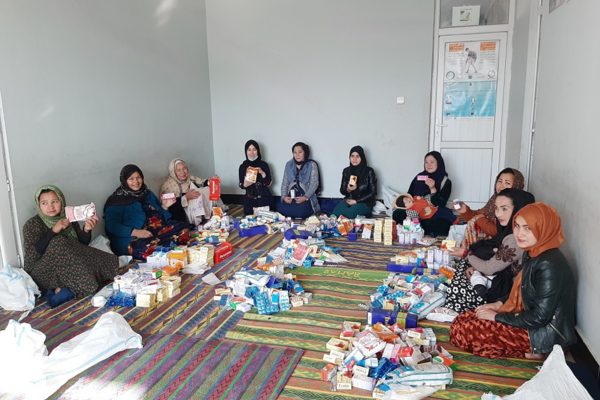
Direct Medical Support: Providing midwifery care, immunisations, antenatal check-ups, and safe birth kits to expectant mothers.
Peer Support Networks: Establishing mutual support groups for pre- and postnatal parents to share experiences and guidance.
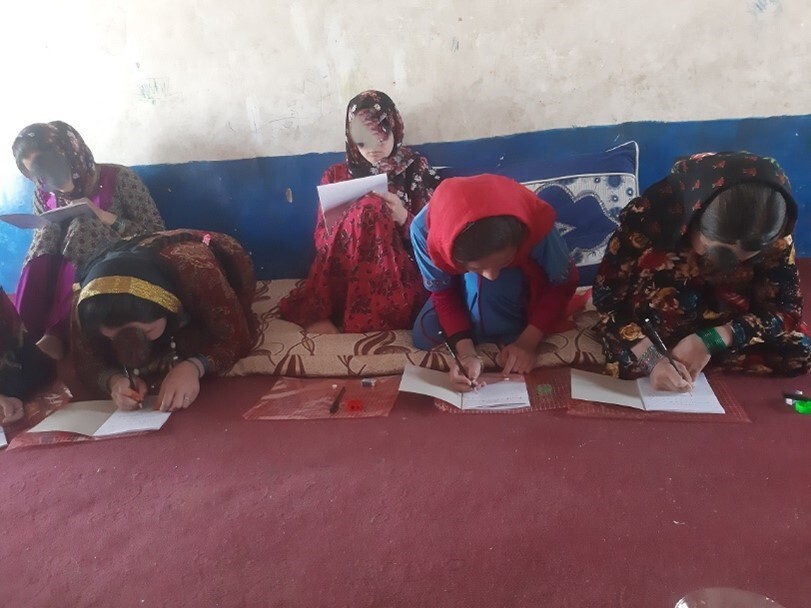
Women’s Empowerment: Offering vocational skills training and literacy/numeracy education to women, enabling them to earn an income and support their families.
Over the next three years, we plan to continue this vital work in our current villages and expand into neighbouring provinces: reaching an additional 12 villages and thousands more people.
Impact in 2024
We are proud to share the remarkable progress achieved this year:
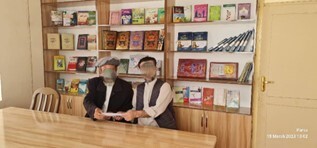
Education and Skills for Girls
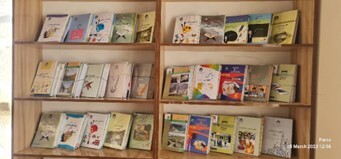
Despite ongoing challenges, we are proud to continue supporting girls’ education in Kaldar. Since 2021, more than 103 girls aged 7–12 have been able to attend school, many for the first time. We renovated two girls’ schools and established libraries in both, creating safe and inspiring spaces for learning.
For girls over 12 who are unable to attend school, we provide vocational training alongside literacy and numeracy courses, ensuring they have pathways to education and self-reliance.
Our dedicated Community Health Workers and educators continue to make a lasting difference; helping families live healthier, more hopeful lives and giving Afghan girls the chance to learn, grow, and shape their own futures.